


 Note Wisdom
Two Complementary Frameworks for Human Identity in the AI Era
Section One: Introduction 1.1 Research Background and Significance Macro Societal & Industry Context Generative conversational AI has embedded itself into daily personal, professional, and creative workflows across North America and global knowledge economies by 2026. AI chatbots, virtual companions
- 7 Views
- Jul 19
Related Videos


















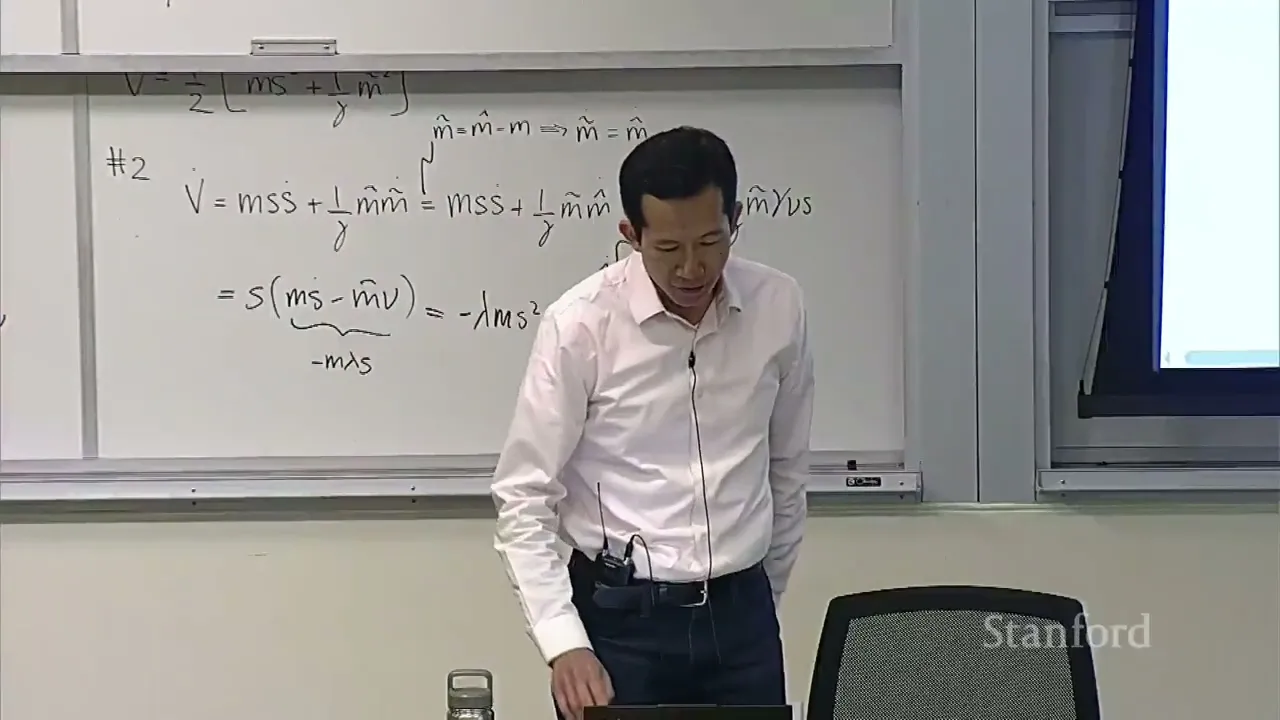


































































































































































































































































































































































































































































































































































































































































































































































































































































































































































































































































































































































































































































































































































































































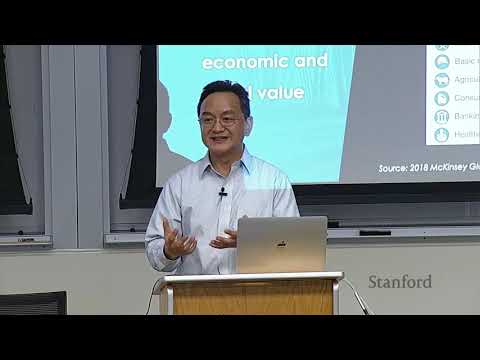








Course Information
Institution:
Original Course:
Instructor Bio:
Course Description:
Section One: Introduction
1.1 Research Background and Significance
Macro Societal & Industry Context
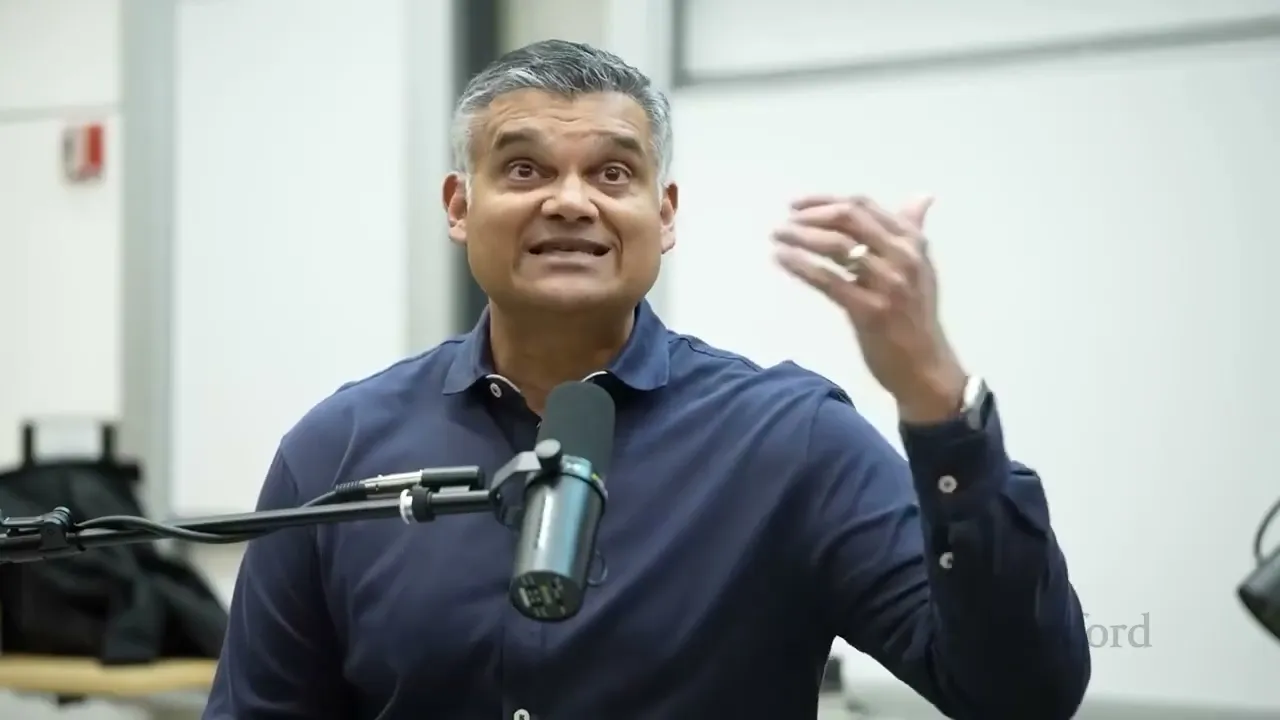
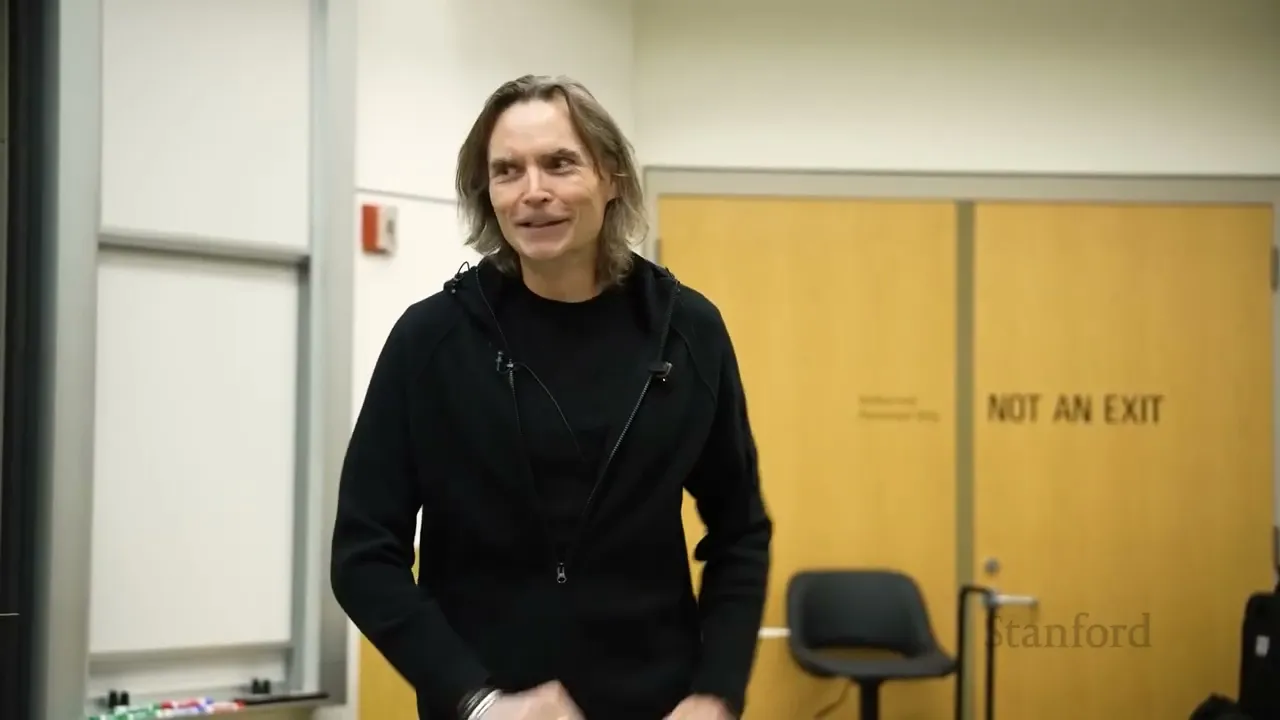
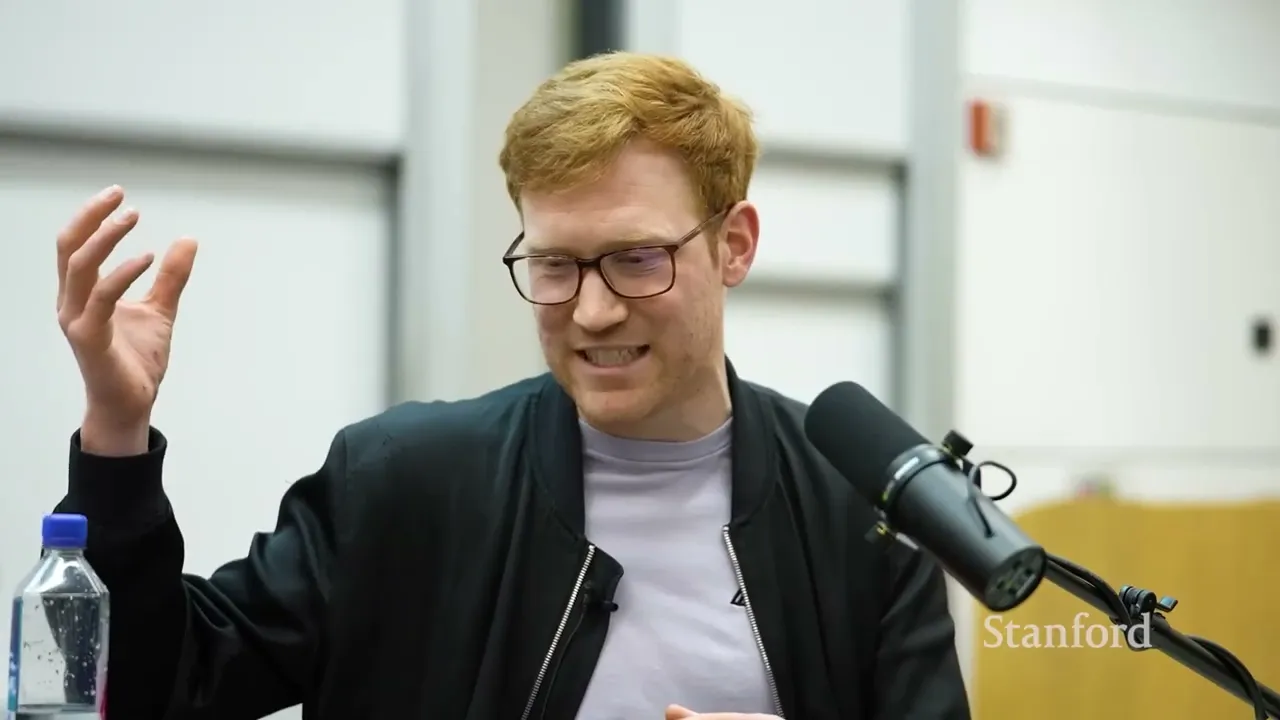
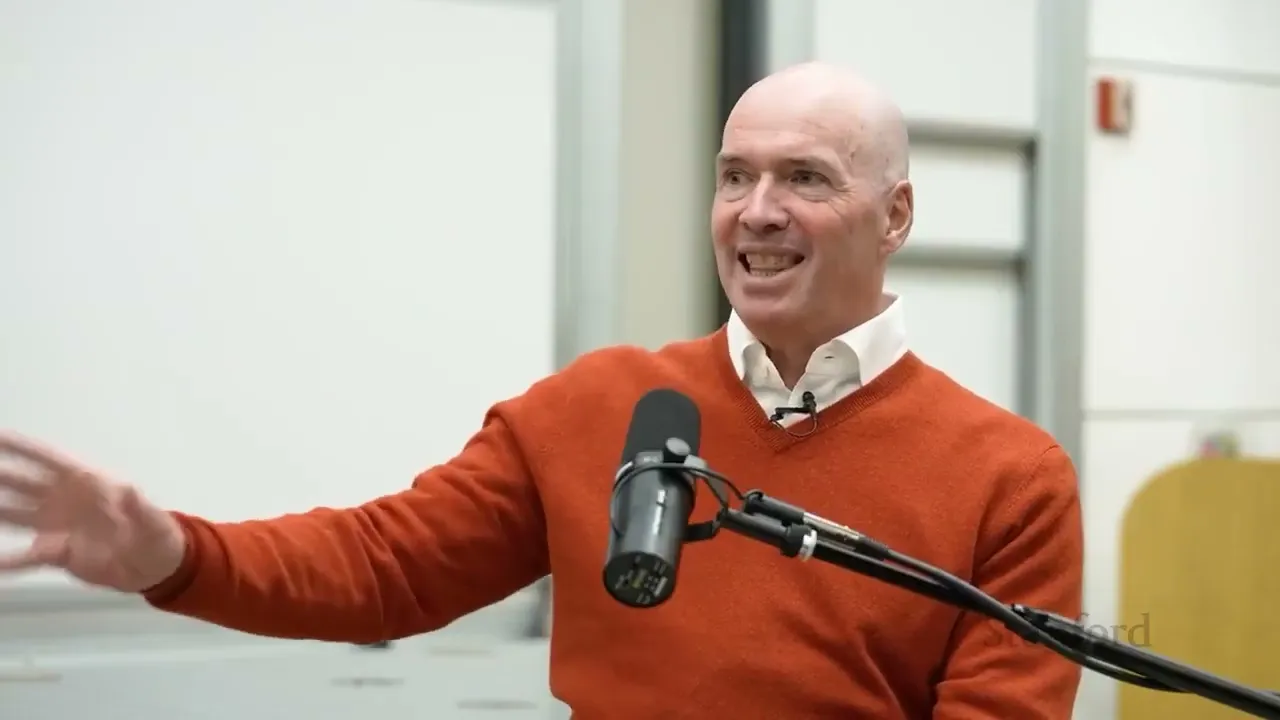
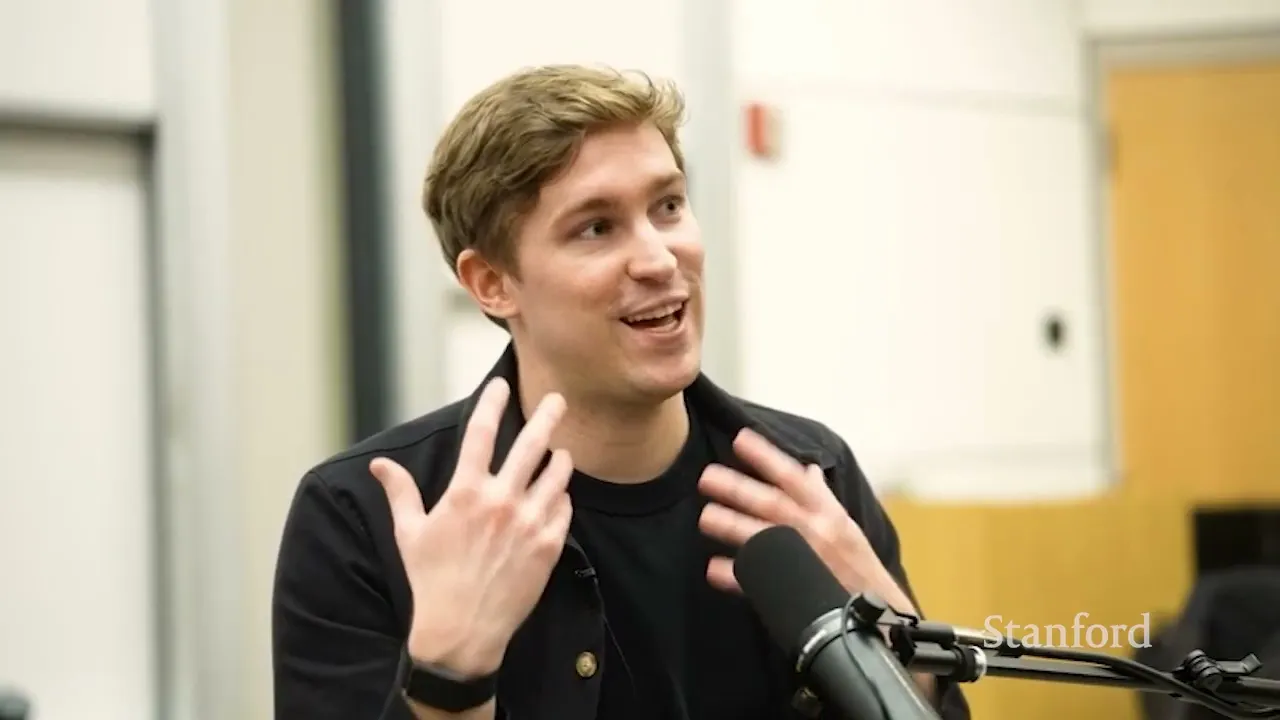
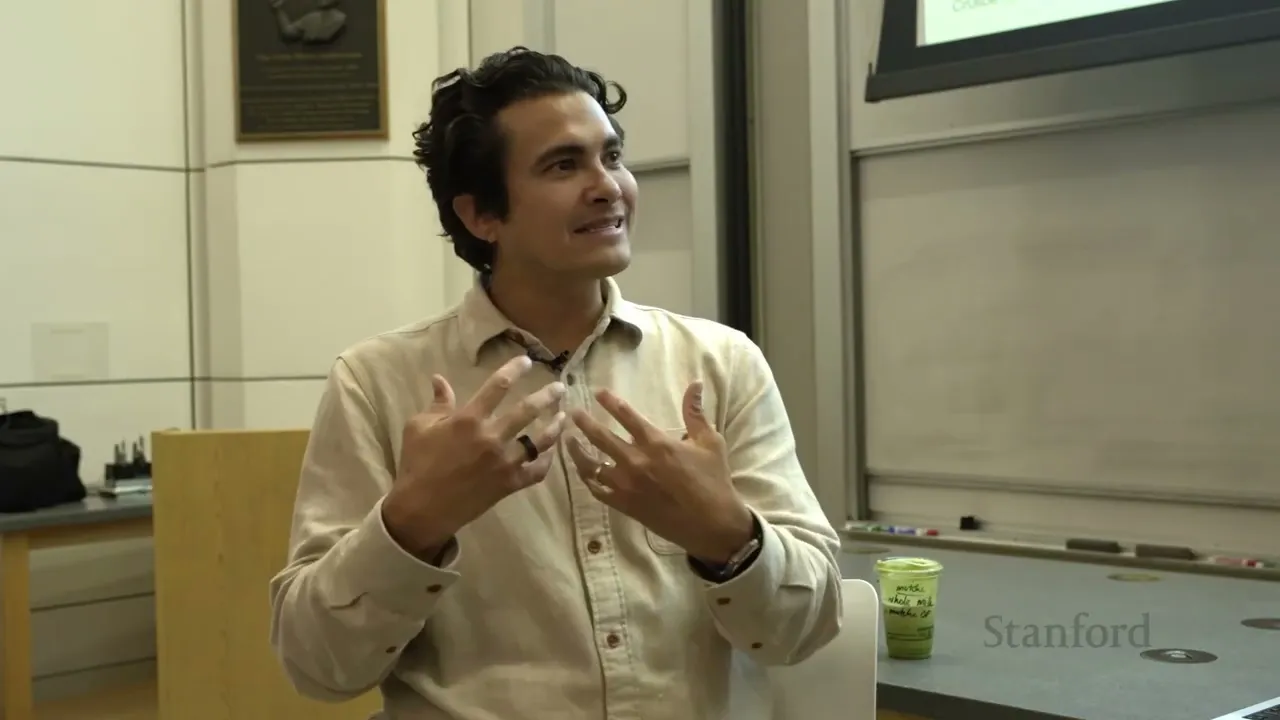
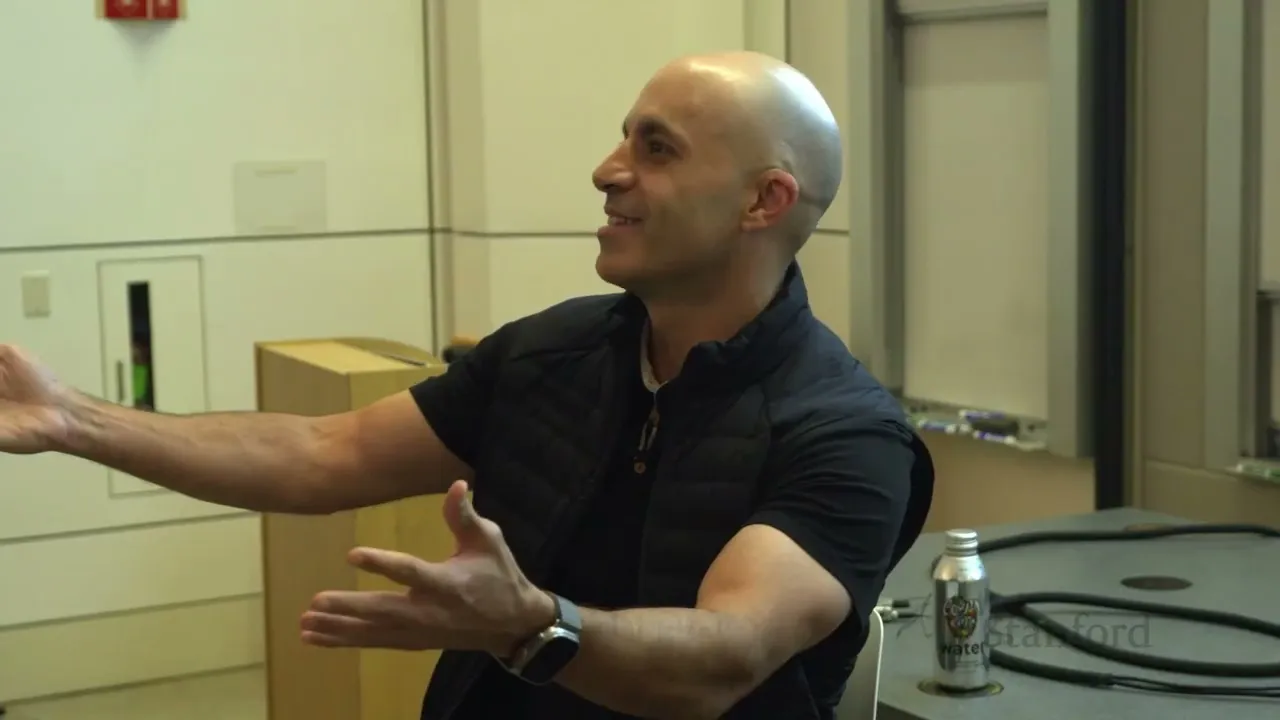
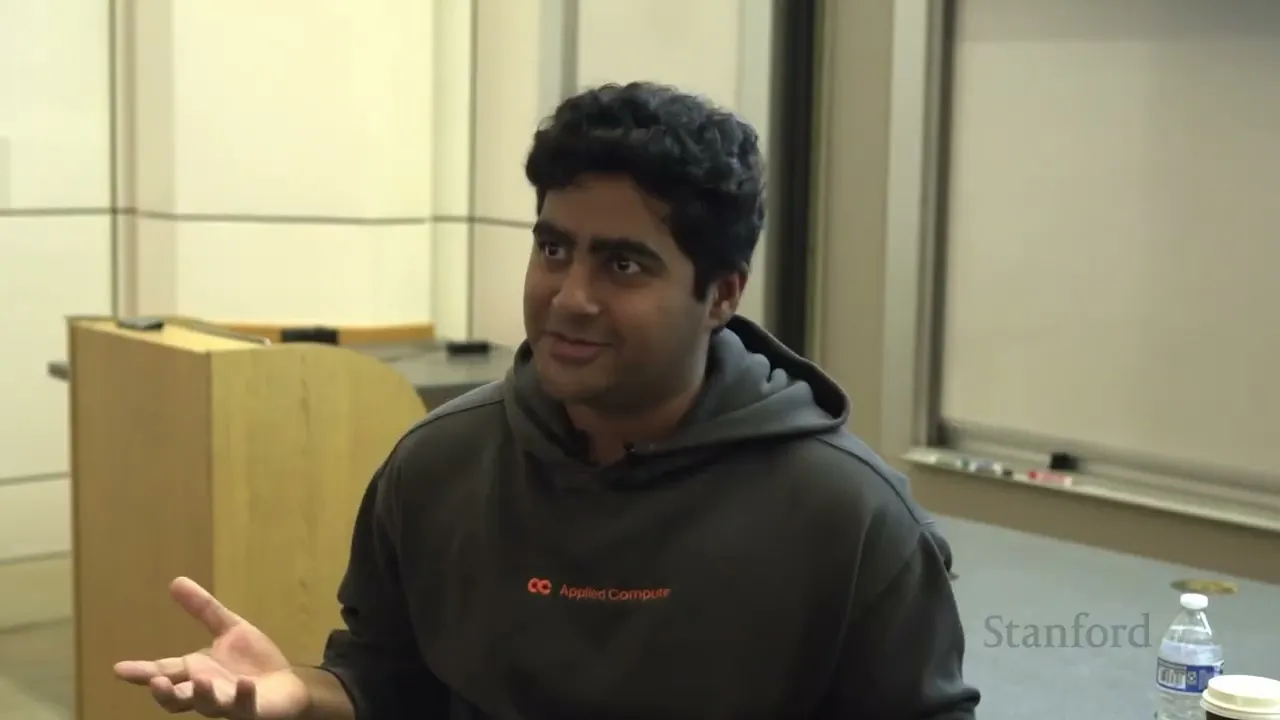
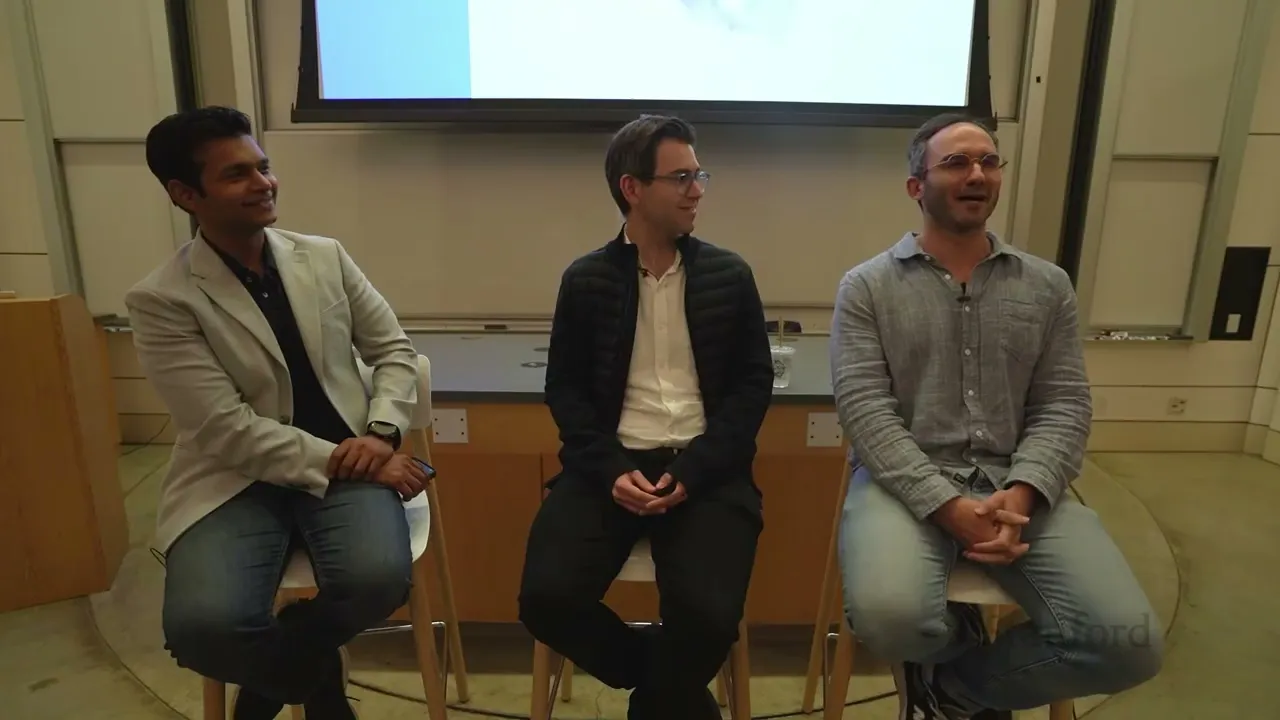
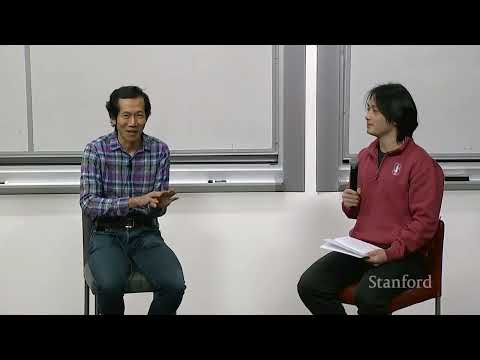
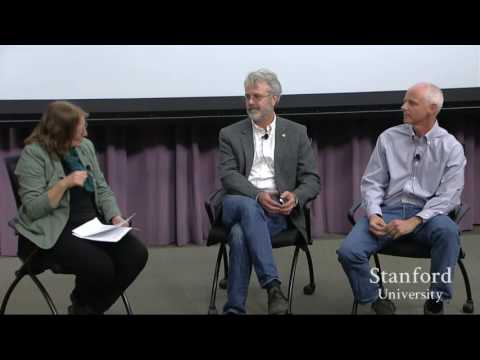
Generative conversational AI has embedded itself into daily personal, professional, and creative workflows across North America and global knowledge economies by 2026. AI chatbots, virtual companions, and simulated human agents deliver fast, responsive dialogue that mimics human speech patterns, blurring perceived lines between artificial and genuine social interaction. Tech developers market these systems as tools to expand human connection, while social scientists document rising loneliness, reduced in-person engagement, and eroded interpersonal intimacy tied to heavy AI reliance. Existing scholarship often splits into two siloed camps: computer science research focused on advancing AI realism, and social psychology research examining technology’s harm to human bonding. The April 2024 TED Intersections conversation What makes us human in the age of AI? A psychologist and a technologist answer featuring Stanford social psychologist Brian S. Lowery and Inworld AI cofounder Kylan Gibbs bridges this divide, creating a cross-disciplinary dual framework rarely explored in mainstream analysis.
Practical Significance
This article addresses a widespread societal confusion: ordinary people, tech leaders, educators, and workplace managers lack a unified lens to weigh AI’s creative utility against its erosion of authentic human connection. Lowery’s psychological framework equips readers to prioritize the innate human drive for reciprocal, unscripted interpersonal bonding, while Gibbs’ technological authenticity paradox offers a grounded understanding of why AI cannot replicate lived human spontaneity. The content delivers actionable guidance for individual AI usage habits, corporate AI policy design, K-12 digital literacy curricula, and creator teams building conversational AI products. Unlike one-sided hot takes that either glorify or demonize AI, this dual expert framework balances technical innovation with human mental health needs, requiring no specialized background to implement.
Theoretical Significance
Existing research suffers from a critical cross-disciplinary gap: AI engineering literature rarely integrates social identity theory, while human psychology papers seldom incorporate hands-on conversational AI product development insights. Lowery’s core thesis—that human identity is socially constructed through mutual human connection—supplements decades of social affiliation research by adding AI-mediated interaction as a new disruptive variable. Gibbs’ counterintuitive “more AI use = less perceived authenticity” paradox fills a technical psychology void, explaining experiential shifts in human perception of simulated dialogue through repeated exposure to generative models. This article unites both scholars’ complementary theories into a cohesive dual-frame model, creating an interdisciplinary foundation for studying human-AI relational dynamics unavailable in single-field academic texts.
1.2 Core Concept Definitions
AI authenticity paradox (Kylan Gibbs): The experiential pattern where initial interactions with realistic conversational AI feel impressively human-like, yet extended daily exposure reveals subtle, consistent artificial predictability that makes AI dialogue feel hollow and unconvincing over time. Rooted in Gibbs’ personal experience of four to five hours of daily AI interaction during product development at Inworld AI. Social constructed humanity (Brian S. Lowery): The foundational psychological premise that human identity and core humanness are not inherent individual traits, but forged through reciprocal, unscripted emotional exchange with other living people; AI interaction cannot substitute this formative shared experience. Simulated social performance: Scripted, pattern-limited dialogue output generated by large language models, lacking the unplanned spontaneity, contextual emotional dissonance, and messy vulnerability that define human-to-human conversation. Intrinsic human connection need: A universal psychological drive documented in Lowery’s research, where sustained mental wellness and a stable sense of self depend on regular unmediated human interaction, not simulated AI companionship. Scope boundary: This analysis exclusively centers the dual expert frameworks presented in the 2024 TED Intersections dialogue, excluding unrelated AI ethics debates focused on algorithmic bias, labor displacement, or superintelligence risk.
1.3 Current Research Status, Domestic and International
Developmental Milestones
Pre-2018 Early AI Dialogue Research: Limited rule-based chatbot studies focused on functional task completion; minimal analysis of human perceived authenticity or psychological impact of simulated social interaction. Social psychologists studied digital social media connection, but not AI agents as conversational partners. 2018–2023 Generative AI Breakthrough: Large language models unlocked human-sounding conversational AI, sparking isolated technical papers on dialogue realism and separate psychology studies linking virtual interaction to loneliness. No cross-disciplinary expert dialogues unified the two fields’ competing observations. April 2024 TED Intersections Dual Expert Conversation: Brian S. Lowery and Kylan Gibbs delivered the first widely distributed mainstream cross-disciplinary framework pairing social identity theory with hands-on conversational AI product experience, formalizing the authenticity paradox and social constructed humanity as paired complementary theories for understanding human identity amid AI expansion. 2024–2026 Follow-Up Empirical Studies: Peer-reviewed research validated Gibbs’ authenticity paradox in user testing of AI companions; Stanford research led by Lowery confirmed that heavy AI social substitution correlates with weaker self-concept clarity and increased feelings of interpersonal disconnection.
Mainstream Viewpoints
Tech Optimist School: AI expands human connection by creating accessible companionship, creative collaboration, and emotional support; human identity remains unchanged regardless of AI interaction volume. Dominant among generative AI startup founders and consumer tech marketing teams. Digital Pessimist Psychology School: All simulated digital interaction erodes genuine human bonding, and AI agents accelerate societal loneliness; strict limits on AI social use are required to preserve mental health. Popular among media critics and traditional social science researchers like Sherry Turkle. Dual Interdisciplinary Framework (Lowery & Gibbs’ aligned perspective): AI delivers powerful creative and functional utility, yet it cannot replicate the reciprocal social exchange that defines human identity; balanced AI integration requires intentional protection of unmediated human connection, accounting for both technical AI limitations and innate human psychological needs.
Shortcomings & Controversies in Existing Work
Most AI product development research prioritizes improving conversational realism without addressing long-term psychological consequences of heavy AI social substitution. Social psychology literature on technology and connection rarely incorporates hands-on AI engineering insights, leading to incomplete analysis of why AI dialogue inherently fails to match human spontaneity. Widespread public debate polarizes into pro-AI or anti-AI extremes, lacking nuanced middle-ground guidance that separates AI’s functional benefits from its social limitations—the core gap the Lowery-Gibbs dual framework resolves. Few accessible layperson resources translate cross-disciplinary AI-human identity theory into daily actionable routines for balanced technology use.
1.4 Framework and Core Objectives
This article follows a Comparative Analysis (Option E) structure, systematically comparing the two complementary core theories presented by Brian S. Lowery and Kylan Gibbs in their TED Intersections conversation, then synthesizing their combined insights into a unified model of human identity in the AI age.
Core Research Question
How do Kylan Gibbs’ technological authenticity paradox and Brian S. Lowery’s social constructed humanity theory independently and collectively explain what distinguishes human experience from AI interaction, and how can their combined frameworks guide balanced, identity-preserving AI usage for individuals and organizations?
Key Takeaways Readers Will Retain
Gibbs’ authenticity paradox explains the technical limitations that make AI inherently unable to replicate unscripted human dialogue, even as model sophistication improves. Lowery’s social construction theory proves human identity relies on reciprocal human-to-human emotional exchange, a psychological need no AI simulation can satisfy. The two theories operate as complementary rather than opposing perspectives: technology defines AI’s structural limits, while psychology defines humanity’s non-negotiable social requirements. Balanced AI adoption does not require rejecting AI tools entirely, but intentionally separating functional AI task use from authentic human social time to protect core human identity and mental wellness.
Section Two: Main Body – Option E (Comparative Analysis)
2E.1 Comparison Dimensions and Evaluation Criteria
Four standardized dimensions frame the side-by-side analysis of Gibbs’ technological authenticity paradox and Lowery’s social constructed humanity theory: Foundational Discipline: The core field of study and professional background shaping each expert’s perspective Core Causal Mechanism: The primary root force that separates human experience from AI interaction Observable Real-World Outcomes: Measurable individual and societal effects of heavy AI social reliance predicted by each theory Prescriptive Guidance: Recommended human-AI engagement rules derived from each framework’s core logic Unified evaluation criteria for both theories: internal consistency with empirical data, real-world applicability to daily AI use, ability to resolve mainstream AI-human identity debates, and cross-disciplinary compatibility when merged together.
2E.2 Core Characteristics of Each Subject
Subject One: Kylan Gibbs – The AI Authenticity Paradox (Technological Framework) Expert Background: Co-founder and product lead of Inworld AI, former DeepMind conversational AI product lead, hands-on developer of simulated human AI agents for gaming, creative media, and companion tools. Core Premise: AI dialogue operates on predictable pattern matching of training data; initial exposure creates an illusion of human realism, but sustained repeated interaction exposes rigid lack of spontaneity, emotional dissonance, and unplanned vulnerability that human conversation naturally contains. Extended AI use makes this artificiality more obvious, creating the counterintuitive effect of feeling less real over time, not more. Defining Trait: Focuses on technical structural limitations of generative models as the dividing line between human and artificial interaction. Primary Unit of Analysis: Individual human-AI dialogue exchanges and user perceptual shifts over repeated exposure to AI agents. Subject Two: Brian S. Lowery – Social Constructed Humanity (Psychological Framework) Expert Background: Stanford Graduate School of Business social psychologist, author of Selfless: The Social Creation of You, leading researcher on interpersonal identity formation and human social affiliation needs. Core Premise: What makes humans human is not intelligence, speech, or emotion in isolation, but the reciprocal, unscripted mutual shaping of self through live interaction with other people. AI cannot participate in this two-way identity construction, so even highly realistic AI dialogue fails to fulfill humanity’s foundational psychological requirement for authentic connection. Defining Trait: Focuses on innate human social psychology as the irreplaceable marker of human identity, separate from technical AI capabilities. Primary Unit of Analysis: Long-term human self-concept stability, mental wellness, and interpersonal belonging derived from human-only social exchange.
2E.3 Multi-Dimensional Horizontal Comparison Table
2E.4 Summary of Strengths and Weaknesses
Strengths of Gibbs’ Technological Authenticity Paradox
Delivers concrete, technical explanations for why even advanced AI never fully passes as human during long-form dialogue, backed by Gibbs’ thousands of hours building conversational AI agents. Predicts the counterintuitive user experience of growing disillusionment with AI over time, a pattern widely observed in consumer AI companion testing but rarely formalized into a theory before Gibbs’ TED conversation. Separates AI’s functional utility (writing, brainstorming, task support) from its social limitations, avoiding blanket rejection of AI tools common in purely psychological critiques.
Weaknesses of Gibbs’ Framework
Focuses exclusively on perceptual technical gaps and does not examine the long-term mental health impacts of substituting human interaction with AI simulation. Offers minimal guidance for how individuals can protect their sense of self amid AI saturation, only describing the mechanics of AI’s artificiality.
Strengths of Lowery’s Social Constructed Humanity Theory
Grounded in decades of peer-reviewed social psychology research on human affiliation and identity formation, providing rigorous empirical backing for the necessity of human-only connection. Centers the core philosophical question “what makes us human” by defining identity as inherently relational, not individual or computational. Delivers clear, actionable mental health guardrails to prevent AI from eroding stable self-concept and interpersonal intimacy.

Weaknesses of Lowery’s Framework
Does not address the technical reasons AI cannot replicate human dialogue spontaneity; treats AI’s social inferiority as a given without unpacking structural model limitations. Rarely acknowledges AI’s valuable functional creative and task benefits, risking one-sided dismissal of technological innovation without nuance.
Combined Unified Strength of Both Frameworks
When merged, Gibbs and Lowery’s theories eliminate each other’s blind spots: Gibbs explains why AI structurally fails at authentic social exchange, while Lowery explains why that failure matters deeply to human psychological survival and identity. Together they create a balanced, cross-disciplinary model that neither blindly celebrates nor rejects AI, instead drawing clear lines between appropriate functional AI use and irreplaceable human social interaction.
2E.5 Selection Recommendations for Different Scenarios
For AI product developers, tech startup teams, and machine learning engineers: Prioritize Gibbs’ authenticity paradox as your primary framework, supplemented with Lowery’s psychology to build products that avoid positioning AI as a replacement for human companionship. Design AI agents for creative support and task work, with clear user disclaimers separating simulated dialogue from genuine human connection. For educators, mental health practitioners, and wellness coaches: Lead with Lowery’s social constructed humanity theory to teach clients and students the psychological necessity of in-person human bonding; integrate Gibbs’ paradox to explain why AI companions feel unfulfilling even when they appear realistic at first glance. For individual daily AI users, remote workers, and creative professionals: Apply both frameworks equally: use Gibbs’ insights to leverage AI for functional tasks without expecting emotional fulfillment from AI dialogue, and use Lowery’s guidance to schedule dedicated screen-free human social time to sustain your sense of identity and mental wellness. For corporate HR and organizational policy leaders: Merge both frameworks to build balanced workplace AI policies: permit unlimited functional AI tool access for productivity, while mandating regular in-person team collaboration and discouraging AI as a substitute for human one-on-one check-ins and conflict resolution.
Section Three: Application and Implications
3.1 Practical Application Scenarios
Cross-Industry & Role-Specific Use Cases
Generative AI Product Development (Game Studios, Chatbot Companies): Developers apply Gibbs’ authenticity paradox to avoid overpromising human-like companionship in marketing materials; integrate Lowery’s social identity research to design platform features that connect users to human community alongside AI creative tools, mitigating loneliness risks from heavy AI interaction. K-12 & Higher Education Digital Literacy Curricula: Teachers use the dual framework to teach students to distinguish AI task assistance from authentic human social exchange; lesson plans explore Gibbs’ technical limits of LLMs and Lowery’s research on how unmediated peer interaction shapes adolescent identity. Corporate Remote & Hybrid Workplace Culture: HR teams build meeting norms that use AI for note-taking, draft writing, and data analysis (functional use per Gibbs), while enforcing mandatory live human team collaboration windows to preserve reciprocal social identity formation (per Lowery’s theory). Mental Health Therapy & Counseling Practice: Therapists reference both frameworks to guide clients who rely on AI chatbots for emotional venting; explain Gibbs’ paradox to normalize the hollow feeling after long AI conversations, and use Lowery’s work to encourage consistent human support system engagement for sustained emotional regulation.
Adaptation Strategies for Different Organization Sizes
Solopreneurs & Independent Creators: Adopt a personal split routine: reserve morning hours for AI-assisted drafting, brainstorming, and administrative work (Gibbs’ functional use), and schedule daily unmediated human social time (coffee, calls, in-person meetups) to uphold Lowery’s connection requirements. Small Teams (three to fifteen staff): Create shared team norms that separate AI task support from human collaborative dialogue; host weekly in-person team gatherings to counteract AI-mediated communication’s lack of reciprocal identity exchange. Large Enterprise Organizations: Embed the dual Gibbs-Lowery framework into company-wide AI training materials; restrict AI from replacing human conflict mediation, performance feedback, and team bonding activities, while fully enabling AI for all analytical, drafting, and creative production workflows.
3.2 Common Misconceptions and How to Avoid Them
Misconception: More advanced AI models will eventually feel fully human and eliminate the need for in-person social interaction. Fix: Reference Gibbs’ authenticity paradox: increased model sophistication only delays the perception of artificiality; repeated exposure will always reveal predictable pattern limitations that human spontaneity avoids. Pair with Lowery’s theory to reinforce that even perfect simulated dialogue cannot replicate reciprocal identity co-creation between living people. Misconception: Using AI for emotional support is harmless, and AI companions can replace human friends for lonely people. Fix: Explain the dual risk outlined by both experts: Gibbs notes users will eventually find AI dialogue hollow, while Lowery’s research proves long-term AI social substitution erodes self-concept clarity and amplifies underlying loneliness over time. Frame AI emotional venting as a temporary outlet, not a permanent replacement for human connection. Misconception: The two expert perspectives conflict—either technology defines human limits, or psychology defines human identity, but not both. Fix: Clarify the complementary relationship: Gibbs addresses the technical barrier to AI achieving human authenticity, while Lowery addresses the psychological necessity of human connection. The theories answer two separate, equally critical questions about humanity in the AI age and do not contradict one another. Misconception: To protect authentic human identity, people must limit or abandon AI tools entirely. Fix: Highlight both experts’ rejection of blanket AI avoidance: Gibbs advocates AI for functional creative and task work, and Lowery frames AI as a neutral productivity tool—harm only arises when AI replaces reciprocal human social exchange, not when it augments individual task output.
3.3 Key Insights for Readers and Practitioners
Critical Mental Shifts
Stop measuring AI’s value by how well it mimics human speech; reframe AI as a specialized functional tool, not a substitute for human relational life. Reinterpret moments of dissatisfaction with AI companions as a natural perceptual signal (Gibbs’ paradox) rather than a flaw in the AI model or your own emotional expectations. Recognize human identity as a relational product built through mutual human exchange (Lowery’s core argument), not a static internal trait that exists independently of social interaction.
Actionable Daily Recommendations
Separate AI usage into two clear buckets: functional task support (writing, planning, ideation, data analysis) and human social interaction (all vulnerable, reciprocal dialogue reserved exclusively for other people). If you regularly interact with AI companions, schedule weekly unmediated in-person human gatherings to counteract the disillusionment and loneliness Gibbs and Lowery predict from heavy AI social substitution. When building or evaluating AI products, audit marketing language to avoid framing AI as a “friend” or “companion”; frame tools as creative collaborators aligned with Gibbs’ technical distinction between functional and social AI use. Track personal mood shifts after long AI-only dialogue sessions to observe Gibbs’ authenticity paradox firsthand, then adjust routines to increase human social time if disconnection or emptiness arises.
Long-Term Developmental Guidance
Over consistent six-month implementation of the dual framework’s balanced AI usage rules, most practitioners report stronger self-concept clarity, reduced feelings of hollow loneliness after AI interaction, and improved quality of in-person human relationships. For sustained balance, conduct quarterly routine audits to identify areas where AI has crept into human social spaces (e.g., relying on AI to draft emotional messages to friends) and re-establish clear boundaries between functional AI work and unmediated human connection. As AI technology advances, revisit Gibbs’ paradox to recognize that even cutting-edge models will retain structural predictability that prevents authentic human social exchange.
Section Four: Summary and Outlook
4.1 Summary of Core Viewpoints
The 2024 TED Intersections conversation between technologist Kylan Gibbs and social psychologist Brian S. Lowery delivers two complementary, cross-disciplinary frameworks that together answer the defining question of human identity amid mass AI adoption. Gibbs’ AI authenticity paradox identifies a fundamental technical limitation of generative models: repeated exposure to simulated dialogue reveals rigid predictability that gradually strips AI of its initial human-like illusion, explaining why AI companions never deliver lasting emotional fulfillment. Lowery’s social constructed humanity theory establishes that what fundamentally defines human beings is reciprocal, unscripted interpersonal bonding that shapes individual identity—a psychological process no AI simulation can replicate, regardless of conversational sophistication. Separately, each framework contains blind spots; merged, they create a balanced model that validates AI’s immense functional productivity value while outlining clear guardrails to prevent AI from eroding mental wellness and authentic human connection. This dual perspective resolves the polarizing pro-AI versus anti-AI public debate by distinguishing appropriate task-based AI usage from harmful substitution of human social interaction, offering actionable guidance for individuals, tech developers, educators, and organizational leaders navigating the AI era.
4.2 Future Development Trends and Outlook
Emerging Future Directions
Conversational AI product design will increasingly integrate the Gibbs-Lowery dual framework, separating functional creative tools from companion-style agents and building in-platform prompts that encourage users to seek human social connection alongside AI interaction. Social psychology longitudinal studies will publish multi-year data tracking self-concept clarity and loneliness metrics for populations with high versus low AI social substitution, formalizing Lowery’s relational identity theory in AI-mediated environments. Digital literacy curricula worldwide will adopt the comparative Gibbs-Lowery model as core educational content, teaching youth to distinguish AI’s functional utility from its inherent social limitations from early adolescence onward.
New Challenges on the Horizon
Consumer AI developers face financial incentives to market AI companions as full human substitutes, which will continue to push back against the dual framework’s boundary-setting guidance. Remote-first global workforces will rely increasingly on AI-mediated communication, creating systemic pressure to replace human collaborative time with automated dialogue tools. Public discourse will remain split between tech optimists who dismiss psychological connection risks and digital pessimists who reject all AI innovation, slowing widespread adoption of the balanced Gibbs-Lowery middle-ground framework.
Valuable Avenues for Further Research
FMRI cognitive studies measuring brain activity differences during human-to-human dialogue versus extended AI interaction; cross-cultural comparative analysis of societal attitudes toward AI companionship and corresponding loneliness rates; longitudinal developer-user studies tracking Gibbs’ authenticity paradox across successive generations of more advanced large language models.
Section Five: References
Lowery, B. S., & Gibbs, K. (2024). What makes us human in the age of AI? A psychologist and a technologist answer. TED Intersections, Lowery, B. S. (2023). Selfless: The Social Creation of You. Stanford University Press. Lowery, B. S. (2026). Social identity formation amid AI-mediated interaction. Stanford Graduate School of Business Working Paper Series. Gibbs, K. (2025). Conversational AI and the fading illusion of human realism. GamesBeat Industry Analysis, Inworld AI. (2026). Product design ethics for simulated human agents. Turkle, S. (2022). Alone Together: Why We Expect More from Technology and Less from Each Other. Basic Books. IACMR. (2026). No Person Is an Island: Unpacking the Work Consequences of Interacting With Artificial Intelligence. Academic Research PDF. You can begin applying this dual framework today by separating your daily AI usage into functional task work and reserved human social time, a small shift that immediately aligns with both Gibbs’ and Lowery’s core guidance. Watching the full TED Intersections conversation offers firsthand examples of the two experts unpacking their complementary theories for real-world AI use cases.
Premium Word Package | 6 Categories · 17 Modules Pro Study Pack
Skip hours of watching lectures. Get organized notes, exam prep materials and problem solutions all in one Word file.
Click to see everything included
Click to see everything included
All contents below are exclusive to the paid Word file, NOT available on this web page
Category 1: Quick Start & Overview
- 1. Bonus Material Usage Guide (10‑second quick navigation)
- 2. Full Article Condensed Key Takeaways (300‑word executive summary)
Category 2: Deep Comprehension & Critical Thinking
- 3. Reflection & Critical‑Thinking Questions (6–8 open‑ended questions)
- 4. Core Concept In‑Depth Summary (definition, origin, limits, practical tips)
- 5. Professional Key Terms Glossary (quick‑reference definitions)
Category 3: Perspective Expansion & Case Studies
- 6. Competing Academic Perspectives & Field Debates
- 7. Common Misconceptions & Academic Pitfalls
- 8. 3 Independent Real‑World Case Studies (not covered in main article)
Category 4: Writing & Assignment Toolkit
- 9. Real‑World Action Item Checklist (12–18 actionable items)
- 10. 2 Custom Essay Outline Templates
- 11. Research Paper Topic Suggestions
- 12. Multi‑Format Citation Ready (APA 7th / MLA 9th / Chicago)
Category 5: Study Support & Resources
- 13. Frequently Asked Study Questions & Detailed Answers
- 14. Curated Open Data & Research Toolkit List
- 15. 7‑Day Progressive Study Plan
Category 6: Notes & Further Reading
- 16. Multi‑Zone Blank Note‑Taking Area
- 17. Verified Further Reading List (books, papers, video lectures)