Course Details
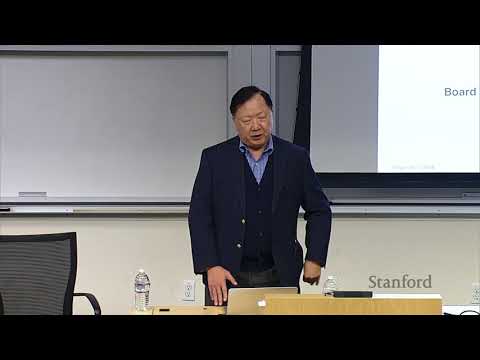
This panel discussion brings together leading experts with deep U.S.–China technology, policy, and infrastructure experience to explore AI, smart cities, smart grids, and sustainable development from both national perspectives. Speakers compare centralized vs. decentralized systems, technology adoption, data standards, energy infrastructure, and cross-border collaboration opportunities.
Speakers & Moderator
-
Moderator: Jim, long-time smart city/smart grid consultant with deep experience in China; former lecturer at Peking University; founding editor of Unicode; board member of U.S.–China Green Energy Council.
-
Oliver Yu: Smart Grid Task Force Director, U.S.–China Green Energy Council; PhD from Stanford; former researcher at SRI International and EPRI; expert in U.S.–China power system comparison.
-
Wells (CEO): Tech executive with 9 years building data center and cloud businesses in China; founder of Archimedes Controls; venture-backed startup veteran in semiconductors and networking.
-
Young Li: Former executive at China National Petroleum Corporation; visiting fellow at Pacific Center; smart city project leader for Chinese municipal and industrial clients.
Target Audience
-
Students and professionals in urban planning, AI, IoT, energy, sustainability, policy, and international business
-
Tech leaders, investors, and policymakers interested in U.S.–China tech collaboration
-
Anyone studying smart city infrastructure, data governance, or global sustainability
Course Overview
The session contrasts China’s centralized, state-driven smart city model with the U.S.’s decentralized, market-led model. It covers:
-
AI applications in energy, transportation, public safety, and urban operations
-
Smart grid differences: China’s “Strong Grid” vs. U.S. distributed energy
-
Massive infrastructure rollout in China: 5G, EVs, IoT, facial recognition, data centers
-
Data standards, privacy, security, and cross-border collaboration
-
UN SDGs, circular economy, waste management, and green building
What You’ll Learn
-
Core structural differences between U.S. and China smart city/energy systems
-
How AI scales differently under centralized vs. decentralized governance
-
Real-world AI use cases in traffic, energy, safety, and agriculture
-
Challenges and opportunities in data standards and cross-border tech cooperation
-
Future trends in sustainable, human-centered smart cities