One. Course Details
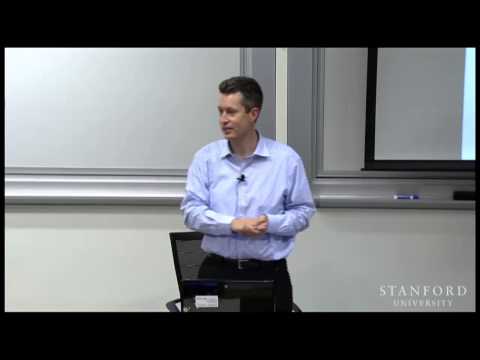
This is a guest lecture for E292H Engineering and Climate Change, delivered by the Stanford Center for Professional Development. The session features Rex Northern, Executive Director of the Clean Tech Open – the world’s largest accelerator for early-stage clean tech startups.
Designed for engineering students, aspiring climate entrepreneurs, and sustainability professionals, the lecture demystifies the process of funding climate technology innovations. It covers the macroeconomic landscape of clean tech, the different stages of startup financing, common pitfalls for first-time founders, and actionable strategies for turning technical ideas into viable businesses. The session also includes insights from the Clean Tech Open’s 10+ year history of supporting over 580 U.S. startups that have raised more than $700 million in funding.
Two. Key Learning Takeaways
-
Clean tech is defined as doing well while doing good: combining superior performance at lower costs with reduced environmental impact and responsible natural resource use.
-
The clean tech sector is organized into six core categories: renewable energy, energy efficiency, smart power, transportation, air/water/waste, and green building.
-
While venture capital investment in clean tech continues to grow (now ~30% of total U.S. VC funding), traditional VCs are poorly suited for capital-intensive, long-horizon climate technologies.
-
Startup financing follows three distinct stages: conception, seed, and growth, each with different funding sources and risk profiles.
-
Strategic investors (large corporations like Chevron and Dow Chemical) are often better partners for deep tech climate startups than VCs, as they provide patient capital, industry expertise, and distribution channels.
-
The biggest predictor of startup success is execution and team quality, not the brilliance of the idea alone: a strong team with a mediocre idea will outperform a mediocre team with a breakthrough idea.
-
California remains the global epicenter of clean tech innovation, accounting for two-thirds of all clean tech patents issued to Clean Tech Open companies and the majority of early-stage funding.
Three. Course Gold Quotes
-
"Clean tech is doing well while doing good. That’s the core of what this space is all about." – Rex Northern
-
"Ideas don’t matter. Good ideas languish all the time. What matters is execution. It’s everything, especially with breakthrough technologies." – Andy Hargadon (cited by Rex Northern)
-
"Markets are exponential, and people don’t get this. Venture capitalists don’t get this either – they think everything grows linearly." – Ray Kurzweil (cited by Rex Northern)
-
"Venture capitalists do not like to take risk. They want things de-risked as much as possible. That’s the wonderful VC term you’ll hear all the time." – Rex Northern
-
"The best funding source of all is revenue. Sell your thing. It costs nothing in terms of equity, and having real customers is the lowest risk, highest reward way to build a company." – Rex Northern
-
"Most clean tech entrepreneurs are incredibly passionate – that’s both their greatest strength and their biggest weakness. Sometimes they spend too long on an idea that will never take off." – Rex Northern
-
"Governments aren’t going to deliver the climate solutions we need anymore. The call now is to entrepreneurs to find the answers." – Rex Northern
Four. Layered Learning Notes
Module 1: What Is Clean Tech?
-
Core Definition:
-
Delivers superior performance at lower cost than traditional alternatives
-
Reduces or eliminates negative environmental impact
-
Improves responsible use of natural resources
-
-
Six Key Technology Categories:
-
Renewable Energy: Solar, wind, geothermal, and other power generation technologies
-
Energy Efficiency: Reducing energy consumption in buildings, industry, and appliances
-
Smart Power: Grid modernization, smart meters, and energy distribution systems
-
Transportation: Electric vehicles, batteries, fuel cells, and alternative fuels
-
Air/Water/Waste: Pollution control, water treatment, and waste recycling technologies
-
Green Building: Sustainable construction materials and energy-efficient building operations
-
Module 2: Macro Market Environment
-
Current Challenges:
-
Most clean tech technologies have not yet reached grid parity with fossil fuels in most regions
-
Political dysfunction in the U.S. has turned clean energy into a partisan issue
-
High-profile failures like Solyndra have made some investors cautious
-
Traditional VC models are mismatched with the long timelines and high capital requirements of many climate technologies
-
-
Positive Trends:
-
Clean tech VC funding has grown exponentially since the early 2000s and now represents ~30% of total U.S. venture investment
-
China has emerged as a global leader, investing $600 billion in smart grid technology and driving down solar panel costs through mass production
-
California and other sun-rich regions have already reached grid parity for rooftop solar
-
The U.N. has shifted focus to entrepreneurs as the primary drivers of climate solutions
-
-
Job Creation:
-
Clean tech creates significantly more jobs than fossil fuel industries: ~10x more jobs per megawatt for solar plants, 2-3x more for wind plants
-
The sector is a major engine of economic growth, particularly in Silicon Valley
-
Module 3: Stages of Clean Tech Startup Financing
-
Conception Stage (Pre-Prototype):
-
Highest risk, fewest funding options
-
Primary sources:
-
Self-funding and sweat equity
-
Friends, family, and "fools"
-
University research grants and corporate incubation programs
-
Federal government funding for basic research
-
-
-
Seed Stage (Prototype to First Customer):
-
Risk remains high but begins to decrease as the product is validated
-
Primary sources:
-
Angel investors
-
Accelerators and competitions (like the Clean Tech Open, which offers $250,000 in prizes and services)
-
Government grants (SBIR/STTR, DOE, ARPA-E)
-
Emerging crowdfunding platforms
-
-
-
Growth Stage (Product-Market Fit to Scale):
-
Significantly de-risked once paying customers are acquired
-
Primary sources:
-
Venture capital (for capital-light, fast-growing business models)
-
Strategic investors (for deep tech, capital-intensive technologies)
-
Government loan guarantees and tax credits
-
Debt financing (for asset-heavy businesses with collateral)
-
Project finance (for large infrastructure projects)
-
Revenue (the best and cheapest form of funding)
-
-
Module 4: Key Insights for Aspiring Entrepreneurs
-
Venture Capital Limitations:
-
VCs target 10x returns in 3-5 years, which is unrealistic for many climate technologies
-
They prefer business models over hard science and avoid long-term, capital-intensive projects
-
Most successful clean tech exits now come from acquisitions by strategic investors, not IPOs
-
-
Strategic Investor Advantages:
-
Provide patient capital with longer time horizons
-
Bring industry expertise, distribution networks, and customer relationships
-
Are willing to invest in breakthrough technologies that VCs avoid
-
-
The Clean Tech Open Advantage:
-
The world’s largest clean tech accelerator, with a proven track record
-
Focuses on customer discovery and product-market fit (not writing business plans)
-
Provides mentorship, training, and access to investors
-
Has helped 580+ U.S. startups raise over $700 million in funding
-
Module 5: Common Mistakes and Success Factors
-
Biggest Founder Mistakes:
-
Falling in love with their technology instead of solving a real customer problem
-
Underestimating the time and capital required to bring a product to market
-
Trying to raise VC money too early, before de-risking the business
-
Ignoring the importance of building a strong team
-
-
Critical Success Factors:
-
Clearly define a large market with a compelling, unmet need
-
Build a diverse, experienced team with complementary skills
-
Validate your product with real customers as early as possible
-
Match your funding source to your business model and technology type
-
Focus on execution above all else
-
Wishing you every success as you turn your engineering ideas into impactful climate solutions. May you navigate the funding landscape with confidence, build strong teams that execute with purpose, and create businesses that do well while doing good for our planet. Remember that every great clean tech company started with a single lightning bolt idea – and the courage to turn that idea into action.