One. Course Details
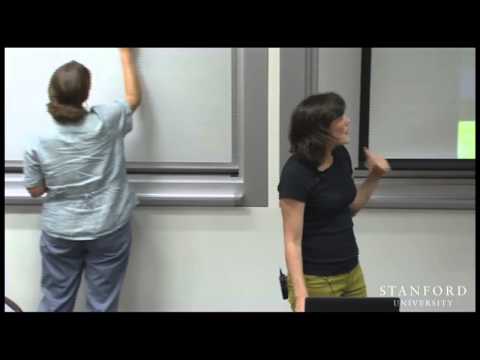
This is the fifth lecture of EE292H Engineering and Climate Change, delivered by the Stanford Center for Professional Development. The guest speakers are Linda Yates, founder of the Tomala regenerative home project, and Ann Edminster, co-chair of the original LEED for Homes standards development team.
The course is pass/no pass, with weekly homework consisting of lecture summaries, optional readings, and one burning question for the next lecturer. Upcoming sessions feature Dave Duff (Tesla senior mechanical engineer) discussing modular engineering and electric vehicles. Note that Will Chua’s recent electrochemical fuels lecture is temporarily restricted to enrolled Stanford students only due to pending patent filings, and will be removed from all access after one additional week.
Two. Key Learning Takeaways
-
Buildings account for 40% of global environmental impacts, with cement production alone responsible for 8% of worldwide carbon emissions.
-
Integrated project delivery—not just material swaps—is the foundation of successful green building, bringing all stakeholders together from day one.
-
Regenerative design goes far beyond sustainability: it aims to restore damaged ecosystems rather than just minimize human harm.
-
Green building adds only 2-5% to total construction costs when executed properly, with near-zero long-term operating costs.
-
The biggest myth about green living is that it requires drastic lifestyle sacrifices; thoughtful integrated design eliminates almost all tradeoffs.
-
LEED serves as a critical baseline for mass-market builders, but the Living Building Challenge sets a far higher bar by banning toxic "red list" materials.
-
Water conservation is an energy issue: 19% of California’s total electricity use goes to water treatment, pumping, and distribution.
Three. Course Gold Quotes
-
"The greenest house in the world would be a yurt or a tent—but we wanted to build something that demonstrates what’s possible for regular people." – Linda Yates
-
"Green building isn’t really about buildings. It’s about change. It’s about learning how to collaborate with people you’ve never worked with before." – Ann Edminster
-
"Energy trumps everything right now. Climate change is the existential threat, so we prioritize carbon reduction when we have to make tradeoffs." – Linda Yates
-
"If you build a house that lasts 100 years instead of 25, you’ve just cut its embodied carbon in half. Durability is sustainability." – Ann Edminster
-
"One house doesn’t change the world. But it can be a pebble in the pond that creates ripples." – Linda Yates
-
"The biggest mistake people make is starting with 'how many bedrooms do I need?' Start with your values, and the design will follow." – Linda Yates
-
"No design is ever 100% complete when the shovel hits the dirt. That’s not a flaw—it’s real life." – Ann Edminster
Four. Layered Learning Notes
Module 1: The Case for Regenerative Green Building
-
Global impact breakdown: Buildings drive emissions through construction materials, daily operation, transportation to/from sites, and end-of-life waste.
-
The regenerative difference: While sustainable design reduces harm, regenerative design actively heals the land. The Tomala Project restored its 1949 oak savanna site to pre-colonial conditions with guidance from five field biologists.
-
Five non-negotiable pillars of green building: energy, water, waste, materials, and occupant health/habitat.
Module 2: Debunking the Three Persistent Green Building Myths
-
Myth 1: Green buildings are ugly concrete boxes. The Tomala Project uses reclaimed barn wood, natural stone, and floor-to-ceiling glass to create a warm, open living space that feels connected to the outdoors.
-
Myth 2: You have to give up comfort. Tomala has no forced-air HVAC system at all, yet stays comfortable year-round using passive solar design, cross-ventilation, and radiant floor heating.
-
Myth 3: It costs twice as much. The actual green premium is only 2-5% when you subtract avoided costs (no ductwork, no gas line, near-zero utility bills). The Tomala Project’s extensive prototyping costs (like 6 months of floor design) are not typical for standard production homes.
Module 3: Integrated Design vs. Traditional Siloed Construction
-
Traditional construction: Teams work sequentially (architect → engineer → contractor), leading to costly conflicts and missed efficiency opportunities.
-
Integrated project delivery: Architects, engineers, contractors, tradespeople, and landscape designers all collaborate from the first planning meeting.
-
Critical industry flaw: Architects often lack construction experience, and contractors are excluded from the design process. The best solutions come from combining both perspectives.
-
Broader lesson: Green building is a perfect metaphor for all modern engineering—it requires cross-disciplinary teamwork, critical thinking, and human-centered design.
Module 4: Core Features of the Tomala Regenerative Home
-
Energy: 100% fossil-fuel-free net-zero energy home with 118 solar panels (21 kW) that power the house and up to 5 electric vehicles. Excess energy is donated to PG&E to bank carbon credits for future use.
-
Water: Captures and treats 100% of gray and black water for subsurface irrigation, plus a 50,000-gallon rain cistern. Reuses every drop of water an average of four times before it returns to the ecosystem.
-
Materials: Only four core materials were used: FSC-certified wood, 100% recycled metal, reclaimed stone (no newly quarried stone), and recycled glass. 97% of the original 1960s house on the site was deconstructed and reused.
-
Waste: On-site composting, recycling, and backyard chickens that process food scraps. All construction waste was diverted from landfills.
-
Habitat: Restored native meadow and oak savanna that supports local bats, birds, amphibians, and reptiles. A 10-year longitudinal study is tracking ecosystem recovery over time.
Module 5: Certifications and Building the Green Market
-
LEED: A critical baseline for mass-market builders that has raised industry standards worldwide. Criticized for being checklist-based and not requiring post-occupancy performance verification.
-
Living Building Challenge: The global gold standard, with a strict red list of toxic materials (including halogenated flame retardants and PVC) that cannot be used. Requires 12 months of real operational data before certification is awarded.
-
Market impact: The Tomala Project supported 8 early-stage cleantech startups, including Sunrun (solar as a service), Serious Energy (high-efficiency windows), and CalStar (low-carbon cement). It also helped fund R&D for native California grass sod that uses 80% less water than traditional turf.
Module 6: Actionable Lessons for Engineers
-
Start with values, not square footage. Define your priorities first, then design around them.
-
Prioritize durability. A 100-year home has half the embodied carbon of four 25-year disposable homes.
-
Never skip commissioning. 70% of green buildings never perform as designed because no one verifies their operation after move-in.
-
Policy drives scale. The Tomala Project helped the Town of Portola Valley adopt some of the strictest green building codes in California.
Wishing you all the best as you explore how engineering can build a more sustainable future. Whether you’re designing homes, batteries, or electric vehicles, remember that the best solutions start with listening to people and respecting the planet. Keep asking tough questions, and don’t be afraid to challenge the way things have always been done.