One. Course Details
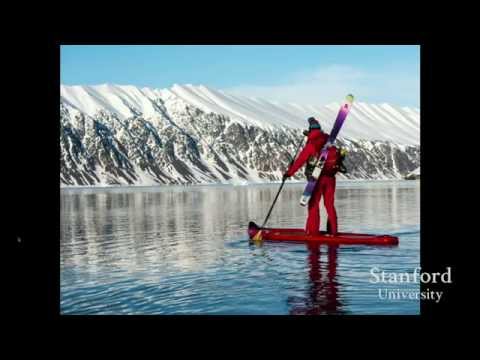
This is a guest lecture for EE292H Engineering and Climate Change at Stanford University, delivered by Doug Stoup, founder of Ice Axe Expeditions and one of the world’s most experienced polar explorers. With thirty-eight trips to Antarctica and nineteen expeditions to the Arctic Peninsula under his belt, Stoup blends gripping adventure stories with unvarnished, on-the-ground observations of climate change. He shares how amateur explorers can contribute to critical scientific research, documents the rapid transformation of polar ecosystems, and outlines actionable steps for global climate action.
The lecture covers:
-
Stoup’s personal journey from professional skier to polar guide and climate advocate
-
Firsthand evidence of ice loss and ecosystem collapse in both polar regions
-
The albedo feedback loop and its outsized impact on global warming
-
Citizen science projects that empower explorers to collect valuable climate data
-
Technical innovations in polar expedition gear and scientific equipment
-
Sustainable tourism practices for protecting fragile polar environments
-
Global policy efforts to address climate change and the role of individual action
-
An open Q&A addressing expedition safety, carbon offsets, and the future of polar research
Two. Key Learning Takeaways
-
The loss of Arctic sea ice is responsible for one third of current global warming, as dark open ocean absorbs ninety percent of incoming sunlight instead of reflecting it like bright multi-year ice.
-
Antarctica holds ninety percent of the world’s ice and seventy percent of its freshwater; glaciers on the eastern Antarctic Peninsula are calving icebergs the size of Rhode Island and Manhattan at an alarming rate.
-
Citizen scientists can provide irreplaceable data from remote polar regions that are rarely visited by professional researchers.
-
Technological advances—from satellite communication to lightweight scientific probes—have revolutionized both polar exploration and climate data collection.
-
Climate change is causing more intense, less frequent storms worldwide, fueled by warmer ocean temperatures driven by polar ice loss.
-
Multi-year Arctic sea ice (four to fourteen years old) has almost completely disappeared, replaced by thin first-year ice that melts easily each summer.
-
Well-managed polar tourism can be a powerful force for climate education, turning visitors into lifelong advocates for protection.
Three. Course Gold Quotes
-
"I’m just a skier, not a scientist, but I’ve seen the changes with my own eyes—and they’re happening faster than any model predicted."
-
"The Arctic is the canary in the coal mine for climate change. What happens there doesn’t stay there—it affects every single person on this planet."
-
"All we leave is a set of ski tracks. That’s our motto. We have a responsibility to protect these places for future generations."
-
"You don’t need a PhD to contribute to climate science. You just need to be curious, observant, and willing to show up."
-
"The best way to convince someone climate change is real is to take them to the Arctic or Antarctic and let them see it for themselves."
-
"Shackleton taught us that leadership is about putting your team first. That same lesson applies to fighting climate change—we’re all on the same boat."
-
"We don’t have time to wait for perfect solutions. We need to act now, with the tools we have, and keep improving as we go."
Four. Layered Learning Notes
Module 1: A Life of Polar Exploration and Discovery
-
Doug Stoup founded Ice Axe Expeditions, which specializes in human-powered skiing expeditions to the world’s most remote polar regions.
-
His first trip to Antarctica was in nineteen ninety-nine, when he climbed and skied Vinson Massif, the continent’s highest peak at sixteen thousand seventy-seven feet.
-
He has completed numerous historic expeditions, including:
-
Guiding a blind man and a deaf man seven hundred eighty-seven miles from the Antarctic coast to the South Pole in sixty-two days
-
Completing Ernest Shackleton’s intended trans-Antarctic route in forty-seven days
-
Guiding a paralyzed man to the South Pole using a custom-engineered sit ski
-
Setting the speed record for driving across Antarctica to the South Pole in eighteen days, four hours, and forty-three minutes
-
-
Stoup emphasizes that polar expeditions require extreme discipline and minimalism: he cuts his toothbrush in half, removes labels from clothing, and carries only absolute necessities.
Module 2: Firsthand Evidence of Climate Change
-
Stoup has observed dramatic changes in polar weather patterns over the past two decades:
-
Antarctica, which historically receives only twelve inches of snow per year, now experiences single storms that drop thirty-two inches of snow
-
The Arctic Ocean now has so little multi-year ice that no expeditions have successfully departed from Cape Arkticheskiy in Russia since two thousand six
-
Sea ice in the Arctic is now so thin that it flexes under the weight of skiers, a phenomenon unheard of twenty years ago
-
-
He has documented significant shifts in wildlife populations:
-
Penguin colonies are abandoning traditional breeding grounds as krill populations decline due to warming ocean temperatures
-
Polar bears are increasingly coming into contact with humans as their sea ice habitat disappears
-
Adelie penguin numbers are plummeting while gentoo penguins, which prefer warmer waters, are expanding their range southward
-
Module 3: The Albedo Feedback Loop and Global Warming
-
The albedo effect is the single most important climate mechanism related to polar ice loss:
-
Bright sea ice reflects eighty to ninety percent of incoming solar radiation back into space
-
Dark open ocean absorbs ninety percent of incoming solar radiation, warming the water
-
Warmer water melts more ice, creating a positive feedback loop that accelerates global warming
-
-
This feedback loop is now responsible for approximately thirty-three percent of global temperature rise, up from twenty percent in two thousand six.
-
The loss of Arctic sea ice is altering global ocean currents, including the Gulf Stream, which regulates weather patterns across the Northern Hemisphere.
Module 4: Citizen Science and Technical Innovation
-
Stoup has integrated scientific research into every expedition he leads, collecting data that would otherwise be impossible to obtain:
-
He redesigned heavy fifty-pound scientific buoys to weigh only seven pounds, making them practical for human-powered expeditions to deploy
-
Two of the buoys he deployed in two thousand five are still transmitting data today, providing critical measurements of ice movement and temperature
-
He works with MIT graduates to test the Avvatech snow probe, which uses radar to detect weak layers in snowpack and improve avalanche safety
-
-
Modern technology has transformed polar exploration and science:
-
Satellite phones and portable internet allow real-time communication and live educational broadcasts from the most remote regions on Earth
-
Lightweight, durable materials have drastically reduced the weight of expedition gear, making longer, more ambitious trips possible
-
GPS navigation has replaced traditional methods, though Stoup still teaches compass and shadow navigation for emergency situations
-
Module 5: Polar Ecosystems and Wildlife
-
The Antarctic Peninsula is one of the fastest warming regions on Earth, with average temperatures rising by three degrees Celsius over the past fifty years.
-
This warming is causing cascading effects throughout the food web:
-
Krill, the foundation of the Antarctic food chain, depend on sea ice for habitat and food
-
Declining krill populations are affecting penguins, seals, and whales that rely on them for sustenance
-
Leopard seals and killer whales are the top predators in the Antarctic ecosystem, and their populations are also being impacted by changes in prey availability
-
-
Stoup emphasizes the importance of minimizing human impact on polar wildlife:
-
The Antarctic Treaty requires visitors to stay at least fifteen feet away from wildlife
-
He walks backward when leaving penguin rookeries to fill in his footprints, which can trap and kill young chicks
-
He never feeds or touches wildlife, as this can alter their natural behavior and make them dependent on humans
-
Module 6: Sustainable Tourism and Polar Protection
-
Stoup believes that responsible tourism is essential for protecting the polar regions:
-
Tourists who visit the poles become powerful advocates for climate action
-
Small-ship expeditions have a much lower environmental impact than large cruise ships
-
He uses sailboats whenever possible to reduce carbon emissions from his expeditions
-
-
He offsets the carbon footprint of all his trips through a carbon offset company and invests in renewable energy projects.
-
Stoup is advocating for Antarctica to be designated a world park, protected from resource extraction and industrial development, when the Antarctic Treaty comes up for renewal in two thousand forty-one.
Module 7: Global Climate Action and the Path Forward
-
Stoup highlights promising developments in the transition to renewable energy:
-
Hawaii has committed to generating one hundred percent of its electricity from renewables by two thousand forty-five
-
Wind farms off the coast of England now power four hundred seventy thousand homes
-
Solar installations are growing exponentially worldwide, with Bangladesh adding one new home solar system every minute
-
-
He emphasizes that individual action matters, but systemic change is also necessary:
-
Contacting elected officials and advocating for climate policies is one of the most effective things individuals can do
-
The clean energy sector is now one of the fastest growing industries in the world, creating millions of jobs
-
Technological innovations like Tesla’s Powerwall are making residential energy storage affordable and accessible
-
Wishing you all the courage to explore the unknown and the determination to protect the places that make our planet extraordinary. The polar regions are some of the most beautiful and fragile places on Earth, and they need your voice now more than ever. Whether you become a scientist, an explorer, an engineer, or an advocate, your skills and passion can make a real difference in the fight against climate change. Keep asking questions, keep seeking adventure, and never stop fighting for the future we all deserve.