Course Overview & Details
-
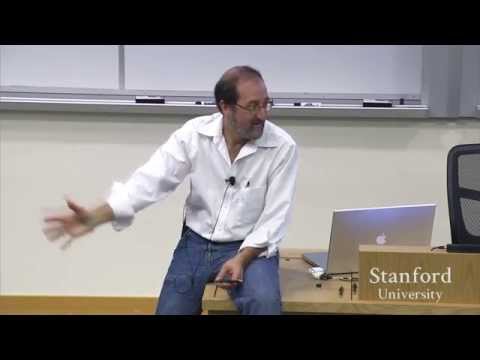
Presenters: Rocco, a microbial ecologist and founding member of NASA’s synthetic biology program with deep expertise in astrobiology and field environmental systems; and David, a Stanford PhD in plant physiological ecology, former NASA Ames life support systems researcher, and local ecological restoration expert. The pair are co-founders of Helio BioS, a startup developing a breakthrough cyanobacteria-based sugar production platform.
-
Host Context: Stanford University guest lecture for a graduate-level clean tech, bioengineering, and climate action curriculum, tailored for engineering, microbiology, and energy policy students.
-
Session Format: 50-minute presentation + 30-minute live audience Q&A, with lab performance data, process schematics, industry war stories, and unfiltered insights into biofuel startup challenges.
-
Core Audience: Bioengineering and chemical engineering grad students, microbiology researchers, clean tech entrepreneurs, and climate-focused policy students.
-
Central Thesis: The single biggest bottleneck holding back the global biofuels and bioproducts industry is the high cost of sugar feedstocks. Helio BioS’s breakthrough uses a natural, non-GMO consortium of marine cyanobacteria that excrete sugar directly into seawater, eliminating the costly extraction and processing steps that sank prior biofuel ventures. By leaning into eco-mimicry (natural microbial communities, not lab-grown monocultures) and ultra-low-cost inputs (sunlight, seawater, and air), the platform produces sugar 20x more efficiently than corn or sugar cane, with zero competition for food, fresh water, or arable farmland – creating a viable, sustainable replacement for fossil fuels.