Course Overview & Details
-
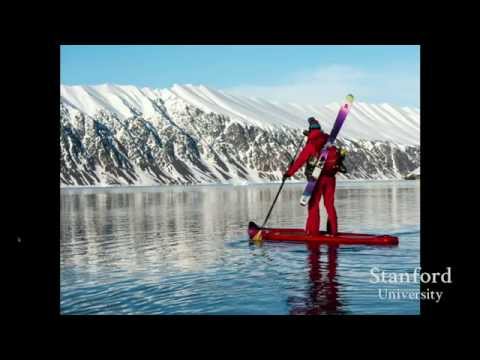
Presenter: Doug Stoup, legendary polar explorer, founder of Ice Axe Expeditions, and pioneering field climate data collector. With 38 expeditions to Antarctica (19 to the Antarctic Peninsula) and decades of Arctic exploration under his belt, Stoup is a world-leading expert on polar terrain, snow science, and on-the-ground climate change observations. While not a formally trained scientist or engineer, his decades of hands-on work in the world’s most remote regions have made him a critical contributor to polar climate research and public climate education.
-
Host Context: Stanford University guest lecture for a graduate and undergraduate curriculum focused on climate science, environmental engineering, outdoor leadership, and sustainability action. The session was designed to bridge the gap between academic climate models and real-world, on-the-ground observations of planetary change.
-
Session Format: 60-minute keynote presentation + 70-minute live audience Q&A, featuring firsthand polar expedition stories, unfiltered climate observations from 20+ years in the Arctic and Antarctic, deep dives into citizen science and engineering innovation in extreme environments, and actionable guidance for students looking to contribute to climate solutions.
-
Core Audience: Environmental science and engineering students, climate policy undergraduates, outdoor leadership program participants, and student activists focused on climate action.
-
Central Thesis: The most urgent truths about climate change aren’t just found in peer-reviewed papers or IPCC reports – they’re visible in the rapidly changing polar regions, where planetary warming is amplified 2-3x faster than the global average. As a polar explorer, my job isn’t just to conquer remote terrain; it’s to witness these changes, collect critical climate data that formal research can’t reach, educate the public about what’s really happening to our planet, and inspire action. Climate change isn’t a distant future problem – it’s here now, and every single person has the power to contribute to solutions, whether through engineering innovation, policy advocacy, citizen science, or simply becoming an ambassador for the planet’s most vulnerable regions.