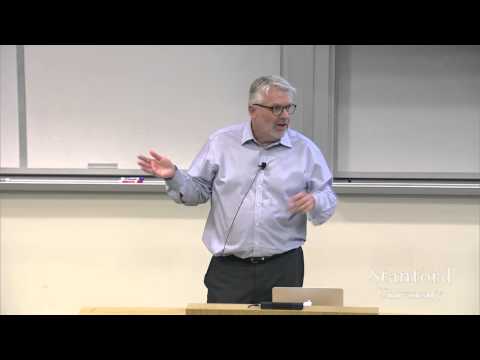
Course Overview & Details
-
Presenter: Cornell University-trained architect, founder of a modular building technology startup, with decades of experience in historic preservation, structural innovation, and high-performance sustainable building design. He led the archaeological restoration of the Temple of Apollo Hylates in Cyprus, and currently develops net-zero building solutions for the U.S. Department of Defense (DOD) and commercial residential markets.
-
Host Context: Stanford University guest lecture for engineering, architecture, and sustainable design graduate students, part of the university’s ongoing climate action and clean tech curriculum series.
-
Session Format: 45-minute presentation + 30-minute live audience Q&A, with architectural visualizations, ancient ruin case studies, and a live demo of the presenter’s modular building technology.
-
Core Audience: Civil/structural engineering students, architecture graduate students, climate policy researchers, and clean tech entrepreneurs focused on the built environment.
-
Central Thesis: Climate change is not a new phenomenon – the rise and fall of ancient civilizations were directly tied to abrupt climate shifts, and our modern society is repeating the same mistakes by ignoring the environmental foundations of our prosperity. The built environment is responsible for 47% of U.S. electrical consumption, and the solution to building-related emissions is not chasing expensive renewable energy add-ons. Instead, we must completely reinvent how we design and build structures: drive energy demand down to the floor with NASA-derived super insulation, replace labor-intensive on-site construction with automated factory manufacturing, and create resilient, net-zero buildings that are cheaper to build and operate than conventional structures.