Course Overview & Details
-
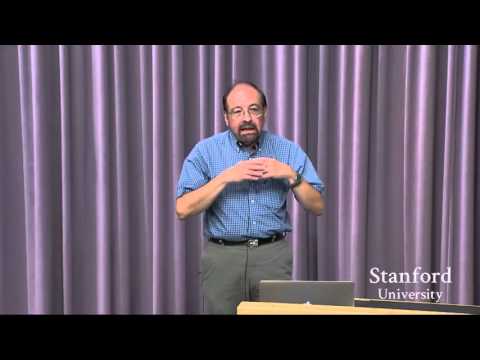
Presenter: A PhD-level microbial ecologist and microbiologist, co-founder of Helio Biosystems, with deep expertise in microbial physiology, molecular genetics, and synthetic biology. The presenter brings decades of cross-disciplinary research experience, paired with hands-on startup and commercialization work in sustainable biomanufacturing.
-
Host Context: Stanford University guest lecture for a graduate and undergraduate curriculum focused on synthetic biology, climate tech, sustainable bioprocess engineering, environmental science, and cleantech entrepreneurship. The session bridges academic microbial ecology with real-world commercialization of climate-positive biomanufacturing solutions.
-
Session Format: 60-minute formal keynote presentation + 60-minute live audience Q&A, featuring deep technical breakdowns of cyanobacterial biology, first-hand startup war stories, techno-economic and lifecycle analysis of the technology, and actionable insights for students pursuing careers in biotech, climate action, and sustainable entrepreneurship.
-
Core Audience: Bioengineering and microbiology graduate students, climate tech undergraduates, business school students focused on cleantech venture capital, and early-stage biotech founders.
-
Central Thesis: The world’s oldest photosynthetic organisms – cyanobacteria – hold the key to solving two of the greatest challenges of our time: decarbonizing the global industrial and transportation sectors, and eliminating competition between food crops and industrial feedstock production. By leveraging naturally occurring, non-genetically modified (non-GMO) cyanobacterial consortia (rather than monocultures of algae or engineered microbes), we can produce industrial-grade fermentable sugars at scale using only seawater, sunlight, and air. This technology delivers an order of magnitude higher productivity than sugarcane or corn, requires no arable land, fertilizers, or pesticides, and cuts greenhouse gas emissions by more than half compared to petroleum-based and traditional agricultural feedstocks. The greatest barriers to this technology are not technical – they are investor misconceptions, industry inertia, and the need for strategic partnerships to de-risk scale-up.