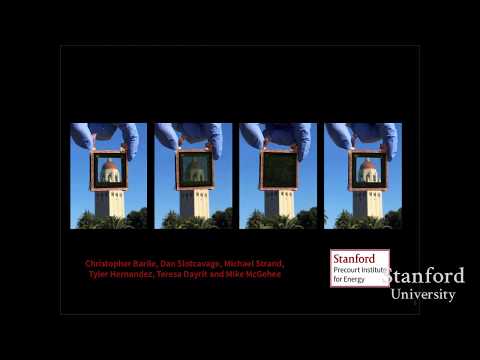
1. Basic Course Information
-
Course Title: Smart Glass, How Metal Ions Might Revolutionize Tinting and Energy Efficiency
-
Organizer: Energy Innovation and Emerging Technologies Program, Stanford University
-
Guest Lecturer: Mike McGehee
-
Professor in the Department of Materials Science and Engineering at Stanford University, Senior Fellow at the Precourt Institute for Energy
-
Bachelor's degree in Physics from Princeton University, PhD in Materials Science from the University of California, Santa Barbara; conducted research on polymer lasers in the laboratory of Nobel Laureate Alan Heeger
-
Core research focus: Development of novel materials for smart windows and solar cells
-
-
Host: Joe Garcia, Program Manager of the Energy Innovation and Emerging Technologies Program
2. Course Background & Positioning
This course focuses on dynamic smart glass, a core energy-saving technology in the architectural and transportation sectors. It breaks down the principles and commercialization bottlenecks of current mainstream dimming technologies, provides an in-depth explanation of the novel reversible metal electrodeposition smart glass technology developed by the lecturer’s team, analyzes the disruptive innovation of metal ion materials on the performance and cost of smart glass, and discusses the commercialization prospects and key challenges to be overcome for this technology.
The course covers both basic industry knowledge of smart glass and core technical details of cutting-edge laboratory research, making it an in-depth professional open course for the fields of materials science, building energy efficiency, new energy, automotive and aerospace engineering, and more.
3. Overall Course Framework
-
Industry Introduction: The core value of dynamic smart glass — optimized living experience and energy saving for buildings and transportation
-
Technology Overview: Principles, application status, and core pain points of mainstream dynamic dimming technologies
-
Innovative R&D: Technical principles, material selection, and process optimization history of reversible metal electrodeposition smart glass
-
Performance Analysis: Core parameters, performance advantages, and test data of the new metal-based smart glass
-
Industry Comparison: Core differences between metal-based technology and traditional metal oxide electrochromic technology
-
Future Outlook: Core challenges and optimization directions for the commercialization of the technology
-
Acknowledgments for R&D and introduction to project extensions
4. Target Audience
-
Students and researchers specializing in materials science and engineering, new energy, architectural technology, and related fields
-
Practitioners and product R&D personnel in the fields of building energy efficiency, automotive/aerospace interior design, and smart home
-
Industry investors and industry analysts in the new energy and green building sectors